
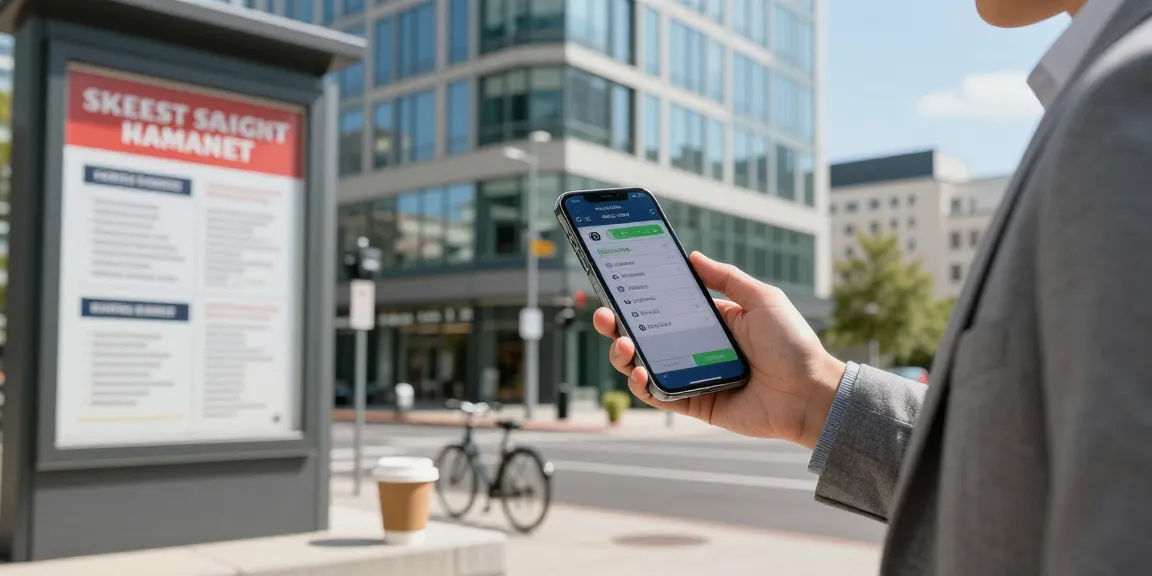
Understanding Reverse Phone Lookup Basics
In a world where we receive countless calls on a daily basis, knowing who is calling can offer significant peace of mind. Whether it’s a missed call from an unknown number, a suspicious voicemail, or an unexpected SMS, a reverse phone lookup service provides a straightforward solution to address these uncertainties. With the rise in spam and scam calls, understanding how to check a telephone number and gain insight into its ownership is more essential than ever. By leveraging resources like WhoCalledLookup, you can swiftly ascertain the identity behind any UK phone number, giving you the power to make informed decisions about your communications.
What is a Reverse Phone Lookup?
A reverse phone lookup is a service that allows users to input a phone number and retrieve information about the caller. Unlike traditional phone directories, which require the user to know a person’s name to find their number, reverse lookups work the other way around. This tool is particularly useful for identifying unknown callers, verifying the legitimacy of a call, and investigating suspicious numbers.
How Does It Work?
Reverse phone lookup services compile data from various reputable sources, including public records, telephone directories, and user-generated reports. When you enter a phone number, the service cross-references the number against these databases to provide information such as the owner’s name, address, and whether the number has been reported for spam or scam activity. For UK residents, services like WhoCalledLookup offer a unique combination of Ofcom’s official range holder data and real-time internet checks, allowing users to access comprehensive information about a phone number instantly.
Common Use Cases and Benefits
- Identifying Unknown Callers: Many people receive calls from unknown numbers, and a reverse lookup can help determine if the call is worth returning.
- Protecting Against Scams: With the rise of telephone scams, a reverse lookup can assist in identifying potential fraudulent calls.
- Verifying Business Contacts: Small business owners can use the service to confirm the legitimacy of callers and protect their operations.
- Enhancing Personal Security: Individuals can check suspicious numbers before sharing personal information, thus preventing identity theft.
Identifying and Avoiding Phone Scams
With the increasing prevalence of phone scams in the UK, it’s crucial to be vigilant and educated about how to recognize them. Understanding the common patterns used by fraudsters can help you protect yourself and your finances. By utilizing services to check telephone number data, you can be one step ahead of potential scams.
Types of Common UK Phone Scams
There are several types of phone scams that consumers commonly encounter, including:
- Bank Impersonation: Scammers often pose as representatives from your bank, requesting sensitive information or suggesting that you transfer funds to a ‘safe’ account.
- HMRC Threats: Fraudsters claim to be from HM Revenue and Customs, threatening arrest unless immediate payment is made.
- Delivery Charges: Calls claiming to be from delivery services demanding payment for supposed outstanding fees.
- Technical Support Calls: Calls purporting to be from tech companies, claiming your device has been compromised.
How to Spot Suspicious Numbers?
When receiving a call from an unknown number, consider the following tips to determine if it is potentially fraudulent:
- Caller ID Spoofing: Be wary of numbers that appear to be from reputable organizations but may be spoofed.
- Urgency and Threats: Scammers often create a sense of urgency; legitimate organizations will not pressure you into immediate action.
- Lack of Information: If the caller cannot provide verifiable information or refuses to answer your questions, it may be a scam.
Best Practices for Reporting Scams
If you suspect a call is a scam, you should report it to the appropriate authorities. In the UK, you can report scams to Action Fraud or the Information Commissioner’s Office. Always document the caller’s number and any relevant details to assist in investigations.
Utilizing WhoCalledLookup Effectively
WhoCalledLookup is a powerful tool for verifying unknown numbers and addressing your concerns regarding potential scams. Utilizing this service effectively can enhance your phone security and provide clarity in uncertain situations.
How to Check a Telephone Number with WhoCalledLookup?
To use WhoCalledLookup, simply enter the phone number you wish to investigate into the search bar. The platform provides a structured response that includes the range holder, general area information, and an AI-generated summary of previous reports associated with the number.
Interpreting the Results
The results from WhoCalledLookup will include several data points:
- Range Holder Information: Identifies the original telecommunications company that allocated the number.
- Geographical Metadata: Provides context about the number’s originating area.
- AI Data Summary: Gathers user-generated reports and reviews from multiple sources, generating risk scores for the number.
Comparing with Other Lookup Services
While several reverse phone lookup services exist, WhoCalledLookup sets itself apart by integrating Ofcom’s numbering data with AI-generated insights, offering a comprehensive and reliable overview of any UK phone number. This combination of data ensures that you receive accurate and up-to-date information to make informed decisions.
The Importance of Telephone Number Validation
Validating phone numbers is a crucial step for both individuals and businesses, helping to ensure that the numbers you are dealing with are legitimate and active. This process can prevent misunderstandings, fraud, or wasted resources.
What is Telephone Number Validation?
Telephone number validation is the process of checking a phone number to confirm its authenticity and the availability of the service. This may include verifying the format of the number and checking against a database to see if it is currently active.
Why Validation Matters for Consumers and Businesses
For consumers, validating phone numbers can prevent falling victim to scams or fraud. For businesses, it is essential for ensuring effective communication with customers and minimizing the risk of reaching invalid numbers.
Tools and Services for Effective Validation
Various tools and services are available for validating telephone numbers. Organizations can leverage APIs that provide real-time validation, while individuals can use dedicated lookup services like WhoCalledLookup to cross-check number validity before returning calls.
Future Trends in Phone Lookup Technologies
The landscape of phone lookup technologies is evolving rapidly, influenced by advancements in AI and big data analytics. These innovations are shaping how consumers interact with telecommunication services and manage their privacy.
Emerging Technologies Shaping Phone Lookups
Artificial intelligence is becoming increasingly integral to reverse phone lookup services. Enhanced algorithms can analyze patterns in calling behaviors, improve spam detection, and provide more personalized risk assessments for users.
Predictions for Phone Scam Protection in 2026
As technology continues to advance, it is expected that phone scam protection will incorporate more sophisticated systems that leverage real-time data and machine learning to combat fraud. Services that offer dynamic risk scoring and immediate alerts for suspicious activity will become standard.
Consumer Expectations and Industry Response
Consumers are increasingly demanding transparency regarding who is calling them and the integrity of those calls. In response, telecom providers and lookup services will need to enhance their offerings, ensuring reliable data and proactive protection measures against scams and fraud.
What are the key features of a reliable phone lookup service?
A reliable phone lookup service should offer comprehensive databases, real-time updates, user-generated reports, and easy-to-navigate interfaces, allowing users to quickly find the information they need.
How can I protect myself from phone call scams?
To protect yourself from phone scams, remain skeptical of unsolicited calls, never divulge personal information to unknown callers, and utilize reverse lookup services to verify suspicious numbers.
Are there any fees associated with checking a telephone number?
Many reverse phone lookup services, including WhoCalledLookup, offer free options for checking a telephone number. However, some services may charge for detailed reports or additional features.
What information can I expect from a reverse phone lookup?
When using a reverse phone lookup service, you can typically expect to receive the caller’s name, address, the telecommunications provider, and any scam reports that have been submitted by other users.
How often is the data updated in phone lookup services?
Reliable phone lookup services regularly update their databases to reflect changes in ownership and new scam reports. For instance, WhoCalledLookup uses Ofcom’s data, refreshed weekly, ensuring you receive accurate information.


