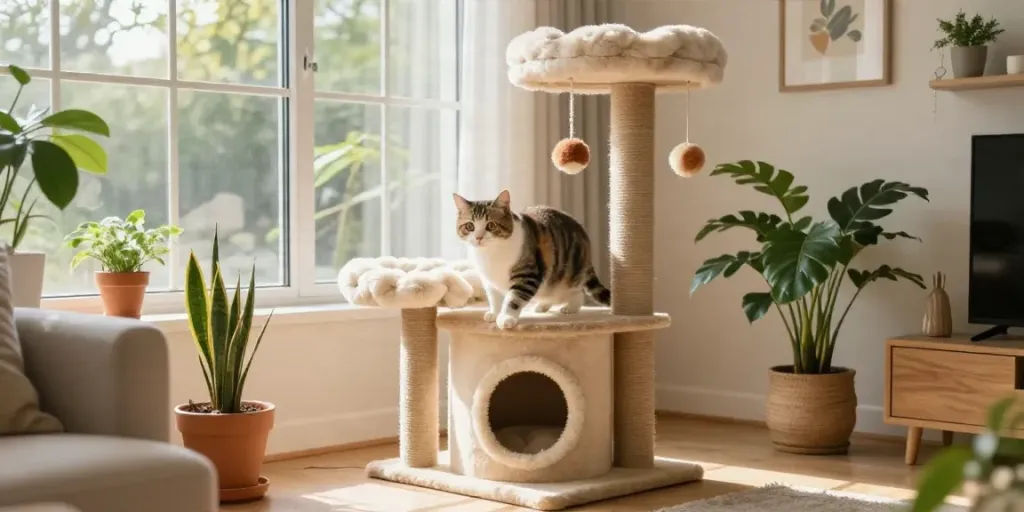
Understanding the Importance of a Cat Tree for Your Feline Friend
As a devoted cat owner, you might have noticed your feline friend exhibiting a mix of playful and territorial behaviors. One of the best ways to cater to these instincts is by introducing a cat tree into your home. Not only do cat trees provide a designated space for your cat to climb, scratch, and rest, but they also foster physical and mental stimulation, contributing to a happier, healthier pet. When exploring options, cat tree choices abound to fit every need and style, ensuring your home remains a sanctuary for your beloved companion.
Why Every Cat Needs a Cat Tree
Every cat has a natural instinct to climb, scratch, and explore their environment. Cat trees serve as vertical playgrounds that satisfy these instincts, allowing your pet to feel secure while enjoying the freedom to roam at different heights. Kittens, adults, and even senior cats benefit from having their own space to observe their surroundings and engage in playful activities.
- Health Benefits: Scratching is essential for maintaining a cat's claw health. A cat tree provides a specific area for this behavior, preventing them from damaging your furniture.
- Stress Relief: The presence of a cat tree can reduce anxiety levels, offering a safe haven for your pet when they feel overwhelmed.
- Physical Exercise: Climbing and jumping around on a cat tree contributes to your cat's physical fitness, combating obesity and promoting overall health.
How Cat Trees Support Natural Behaviors
Cat trees are designed to replicate elements of a cat's natural environment. They often include scratching posts, hideaways, and perches that encourage climbing, jumping, and resting. These features allow cats to express their natural behaviors in a controlled manner.
- Vertical Space: Cats are instinctively drawn to heights, and a cat tree provides the vertical space they crave.
- Hideout Areas: Cats love to have spots where they can retreat and feel safe. Many cat trees include cozy condos or enclosed spaces that fulfill this need.
- Interactive Features: Many modern cat trees come with toys or hanging features that stimulate play and encourage mental engagement.
Common Misconceptions About Cat Trees
Despite their numerous benefits, some cat owners harbor misconceptions about cat trees. It’s essential to debunk these myths to help owners make informed decisions.
- They're Just for Kittens: While kittens certainly benefit from cat trees, adult and senior cats also enjoy and need them for exercise and mental stimulation.
- Only One Cat Can Use Them: Many cat trees are designed for multi-cat households. Choosing the right size and features can accommodate several cats at once.
- They're an Eyesore: Cat trees come in a variety of styles and colors to complement any home decor. From sleek modern designs to more rustic options, there's something for every aesthetic.
Choosing the Perfect Cat Tree for Your Home
When considering a cat tree for your pet, it is crucial to evaluate various features to ensure your choice aligns with your cat's needs and your home’s space. Factors such as the material, size, and design play significant roles in the functionality and enjoyment of the cat tree.
Key Features to Look for in a Cat Tree
Identifying the perfect cat tree involves understanding your feline's preferences and behaviors. Look out for the following features when shopping:
- Multiple Levels: Many cats enjoy jumping and climbing, so cat trees with various levels can provide endless entertainment.
- Durable Materials: Opt for cat trees made from sturdy materials that can withstand the daily activities of your cat. Strong plywood or solid wood bases are more durable than particleboard.
- Easy to Clean: Removable and washable covers make maintenance easy and help keep the tree fresh and hygienic.
Best Materials for Durability and Comfort
Choosing quality materials is paramount for ensuring your cat tree lasts over time. Look for:
- Wood: Solid wood provides a sturdy base and is typically more durable than synthetic materials.
- Sisal Rope: This natural fiber is ideal for scratching posts, as it is tough and satisfying for cats to use.
- Soft Fabrics: Fleece, faux fur, or carpeted surfaces offer comfort and warmth, making your cat tree a cozy retreat.
Cat Tree Size Considerations for Different Breeds
Not all cat breeds are created equal, and their size can greatly affect the suitability of a cat tree. Ensure you choose the right size based on your cat’s breed:
- Small Breeds (like Singapura or Munchkin): Look for compact cat trees that are easy to climb yet provide essential features.
- Medium Breeds (like American Shorthair): A standard-sized cat tree with multiple levels is usually sufficient.
- Large Breeds (like Maine Coons): Opt for larger, sturdier cat trees designed to support the weight and jumping capabilities of bigger cats.
Creative Ways to Integrate a Cat Tree into Your Decor
Transitioning a cat tree from a functional piece to an attractive decor element can be achieved with thoughtful design choices and placement. Here are some creative strategies:
Stylish Cat Trees Suitable for Modern Interiors
Today’s cat trees come in an array of contemporary styles that can seamlessly blend into your home. Look for trees that feature:
- Sleek Lines: Minimalist designs that avoid clutter and enhance the aesthetic of your space.
- Color Coordination: Select a cat tree that matches or complements your existing decor palette.
- Multi-Purpose Furniture: Some cat trees double as bookshelves or end tables, providing functionality without compromising style.
DIY Cat Tree Ideas for Unique Spaces
If you want a truly personalized touch, consider creating a DIY cat tree. Some ideas include:
- Repurposing Old Furniture: Use an old dresser or shelf as a base for multi-level cat perches.
- Utilizing Natural Branches: Install sturdy branches for a rustic climbing frame that's both attractive and functional.
- Fabric and Carpet Scraps: Use soft materials to create cozy spots on your homemade cat tree efficiently.
Placement Tips for Optimal Cat Enjoyment
Ensuring your cat tree is in the right location can significantly enhance your cat's enjoyment. Consider these placement tips:
- Near Windows: Cats love watching the outside world; placing the cat tree by a window can provide endless entertainment.
- In High-Traffic Areas: Position the tree where your cat can observe family activities while feeling safe.
- Away From Disturbances: Avoid placing it in noisy areas where your cat may feel anxious.
Maintenance and Care for Your Cat Tree
Proper maintenance of your cat tree is essential to its longevity and your cat's health. Regular cleaning and inspections can ensure a safe environment for your beloved pet.
Cleaning Your Cat Tree: Best Practices
To keep your cat tree in good condition, follow these cleaning practices:
- Regular Vacuuming: Use a vacuum with a brush attachment to remove fur and debris from the surfaces.
- Spot Cleaning: For stains, use pet-safe cleaners to maintain hygiene.
- Wipe Down Hard Surfaces: Disinfect wooden or plastic surfaces regularly to kill any bacteria.
Signs It's Time to Replace Your Cat Tree
All good things must come to an end, and cat trees are no exception. Be on the lookout for these signs that it's time to invest in a new one:
- Loose or Wobbly Parts: If you notice instability in the structure, it may pose a safety risk to your cat.
- Excessive Wear and Tear: Scratching posts that are frayed or collapsing can no longer serve their purpose.
- Bad Odors: If the material has absorbed too much odor and can't be cleaned effectively, it’s time for a replacement.
Incorporating New Features into an Existing Cat Tree
Instead of replacing the entire tree, consider enhancing it with new features:
- Add Extra Scratching Posts: Supplement existing materials with more scratching surfaces to keep your cat engaged.
- Incorporate Toys: Attach toys or dangling features to existing levels to attract your cat’s interest.
- Upgrade Soft Furnishings: Replace worn-out cushions with new, comfortable ones to refresh the tree.
Future Trends in Cat Trees for 2026 and Beyond
As we move into 2026, the pet industry continues to evolve, bringing innovative ideas in cat tree design and functionality. Here are some trends to watch for:
Innovative Designs and Features to Watch
Manufacturers are increasingly focusing on creating cat trees that appeal to both cats and their humans:
- Modular Designs: Cat trees that allow for customization or reconfiguration based on space and specific needs.
- Multi-Functional Units: Cat trees that double as furniture, combining play and aesthetics.
- Integrated Technology: Smart features such as sensors to alert owners when their cats are active or engaging with the tree.
Smart Cat Trees: The Future of Pet Furniture
As technology advances, smart cat trees are gaining traction. These include:
- App Integration: Allowing owners to control interactive toys or lighting from their smartphones.
- Health Monitoring: Devices that track a cat’s activity levels and provide insights for pet health management.
- Automated Cleaning Systems: Innovations that help maintain hygiene without additional effort.
Eco-Friendly Materials and Sustainability Trends
With a growing emphasis on sustainability, eco-friendly cat trees made from recycled or responsibly sourced materials will become more popular. This trend promotes the health of both pets and the planet:
- Recycled Fabrics: Cat trees constructed using materials that minimize environmental impact.
- Bamboo and Other Sustainable Woods: Furniture made from fast-growing materials that are renewable and sturdy.
- Non-Toxic Materials: Ensuring that all materials used are safe for pets and free from harmful chemicals.
What Are the Benefits of Cat Trees?
The benefits of having a cat tree extend far beyond mere entertainment. They promote healthy lifestyles, reduce stress, and offer a sense of security, making them an essential addition to any cat owner’s home.
How to Choose the Right Cat Tree for Your Home?
Selecting the right cat tree involves considering your cat's size, behavior, and your home’s layout. Prioritize durability and comfort while ensuring the design complements your living space.
Can Cat Trees Help with Behavioral Issues?
Indeed, cat trees can alleviate behavioral problems stemming from boredom, anxiety, or frustration by providing an outlet for energy and a safe place for relaxation.
What to Look for in a High-Quality Cat Tree?
A high-quality cat tree should be stable, made from durable materials, and incorporate multiple features that cater to your cat's natural instincts.
How Can You Build a Cat Tree Yourself?
DIY cat trees can be both fun and rewarding. Utilizing materials such as wood and sisal, you can create a custom tree that perfectly fits your feline's needs.
Are There Cat Trees Designed for Multiple Cats?
Yes, many cat trees are designed to accommodate multiple cats, featuring various levels, multiple perches, and scratcher areas to ensure all felines in a household can enjoy them.